Wilderness Landscape & Natural Heritage
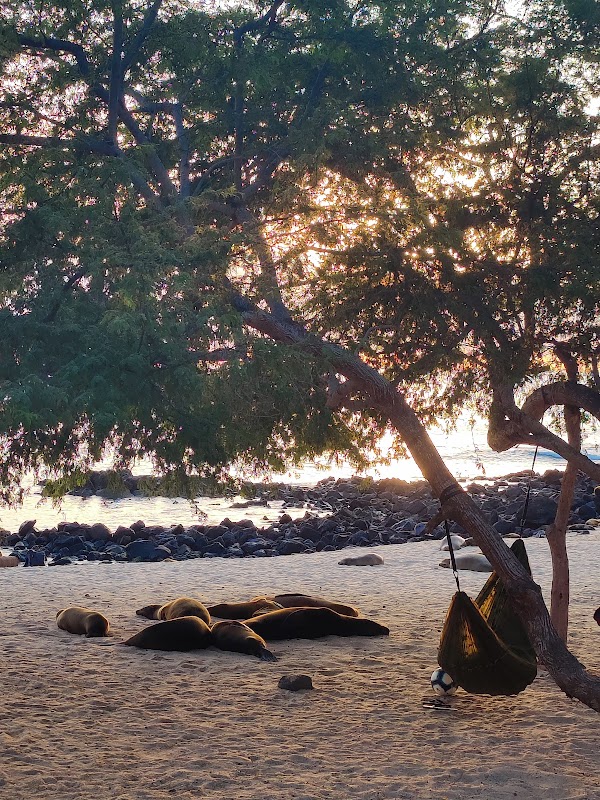
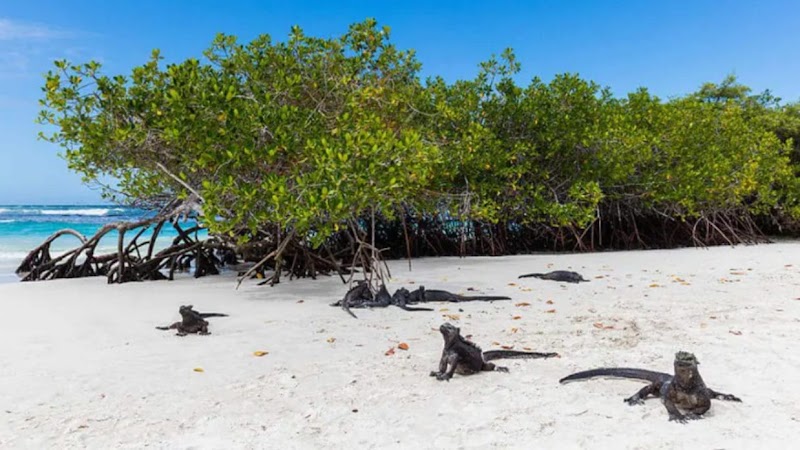
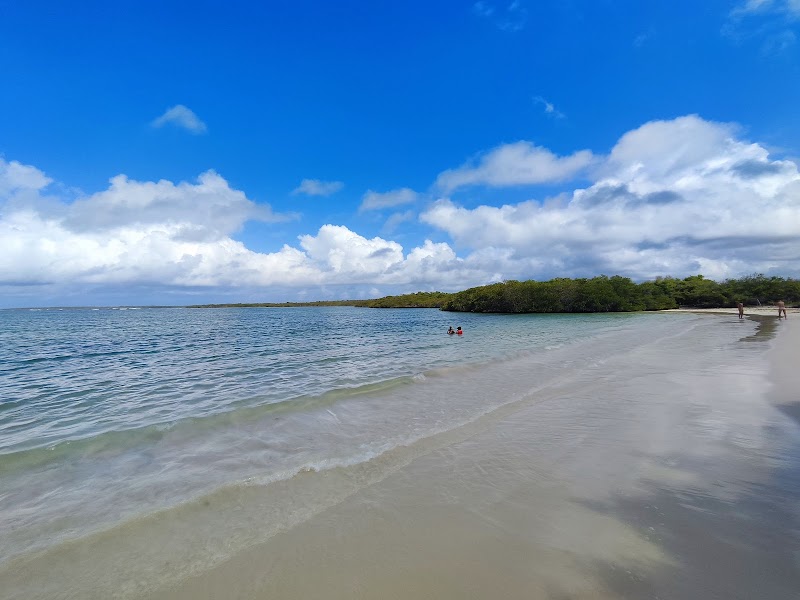
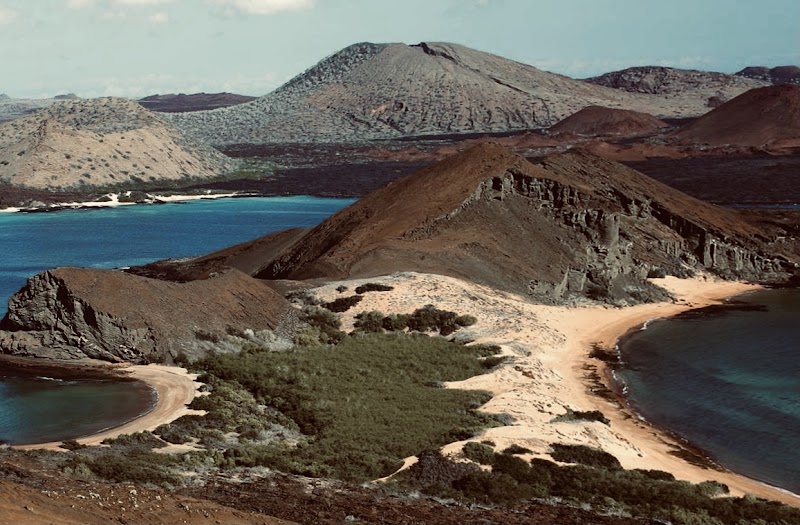
Galápagos National Park, founded in 1959, occupies over 97% of the land mass of the Galápagos Islands, situated in the Pacific Ocean approximately 600 miles from the western coast of Ecuador. This protected area is renowned for its extraordinary biodiversity, hosting numerous endemic species such as the Galápagos tortoise and marine iguana. Declared a UNESCO World Heritage site, it plays a critical role in scientific research, most notably influencing Charles Darwin's theory of evolution by natural selection. Visitors can explore vivid landscapes including volcanic formations, lush forests, and secluded beaches. Recreation opportunities abound, with guided hikes, snorkeling, and wildlife viewing tours being popular choices. The park is also famous for its conservation efforts aimed at protecting its fragile ecosystems from invasive species and human impact.